
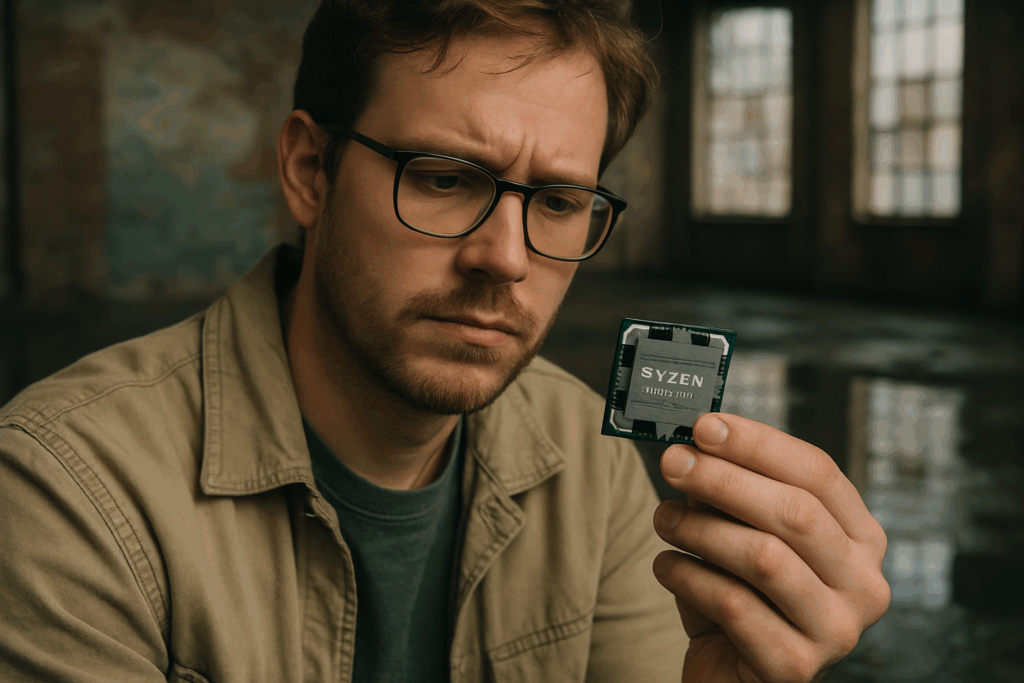
Where the Ryzen 7000 Series Stands in 2026
When AMD launched Zen 4 in late 2022, it reset expectations around what consumer CPUs could deliver in sheer speed, efficiency, and future readiness. The Ryzen 7000 series came out swinging built on a 5nm process, loaded with DDR5 support, PCIe 5.0 lanes, and hitting boost clocks we hadn’t seen in mainstream chips before. Now in 2026, the question isn’t whether the Ryzen 7000 series was impressive it’s whether it still holds its own.
Short answer: it does. While newer chips from Intel, namely Raptor Lake and Meteor Lake, have pushed performance in specific corners like integrated AI and hybrid core scaling, Ryzen 7000 still punches hard especially in gaming and productivity workloads. Raptor Lake brings solid single threaded performance, and Meteor Lake shifts harder into efficiency and mobile friendly designs. But Ryzen’s balanced architecture, thermal headroom, and platform maturity keep it relevant for builders looking for dependable desktop power.
The 7700X and 7950X, for instance, still top charts in gaming scenarios when paired with modern GPUs. For creators, the multi core horsepower holds up in tasks like encoding, rendering, and streaming without the power spikes seen on some Intel setups. Ryzen 7000 might no longer be bleeding edge, but it hasn’t aged out either.
In a market that moves fast, the Ryzen 7000 series found a sweet spot and stayed there.
Core Specs and Real World Gains
The Ryzen 7000 series is built on AMD’s 5nm Zen 4 architecture a jump in density and efficiency that’s not just technical noise. It’s the foundation for noticeably faster execution across the board. Paired with support for DDR5 memory and PCIe 5.0 bandwidth, these chips are designed to feed today’s high performance workloads without bottlenecks. Translation: you’re getting more cores doing more, faster.
In real world terms, the performance uplift against the Ryzen 5000 series is clear. Benchmarks show up to 29% gains in single thread performance and 45% in multi threaded tasks, depending on the model. User tested cases back it up faster compile times, smoother raw footage scrubbing, and a real edge in frame rates when paired with a capable GPU. You’ll feel the difference if you’re moving up from an older AM4 setup.
But power also matters. Ryzen 7000 brings big improvements in efficiency, thanks to a redesigned power delivery system and smarter thermal control. The CPUs run cooler under sustained loads and scale down power use when idle or under light tasks. For users chasing quiet builds or smaller form factors, this makes a real difference. No wasted watts, no thermal drama, just clean execution.
Gaming Performance: Frame Rates Matter

When it comes to AAA gaming in 2026, Ryzen 7000 CPUs are still solid contenders. Titles like “Starfield 2” or “Cyberpunk: Legacy Patch” push systems hard, but the 7700X and 7800X3D don’t flinch. Pair these chips with a modern GPU think RTX 4070 Super or Radeon RX 7900 XT and you’re looking at smooth 1440p and even 4K gameplay in most scenarios.
The real power lies in pairing. Ryzen 7000’s architecture plays nicely with high end cards without bottlenecking. The 3D V Cache versions are still kings in games that lean heavy on L3 cache strategy, RPG, and open world genres.
Game load times? Fast. DDR5 and PCIe 5.0 support help here, as does native support for high speed NVMe drives. Multitasking feels easy streaming on OBS, recording gameplay, Discord running, browser tabs open and Ryzen 7000 handles it all without breaking. There’s no need to babysit your workflow.
It’s not the bleeding edge anymore, but Ryzen 7000 is battle tested. If you’re building around today’s demanding games, it still makes sense especially if you want headroom for streaming and content creation on the side.
(On a related note: Check out Top 5 Budget Gaming Laptops That Offer High Value)
Content Creation and Multitasking Muscle
The Ryzen 7000 series doesn’t just show up in creative workflows it pulls serious weight. Whether you’re editing 4K footage, rendering complex 3D scenes, or live streaming gameplay with multiple overlays, these chips handle it all without flinching. With high core and thread counts, Ryzen 7000 CPUs are built for parallel processing, which is exactly what heavy creative tasks demand.
In high load scenarios, like batch video exports or real time compositing, the boost clocks kick in fast and stay consistent. Combine that with AMD’s large L2 and L3 cache setup (especially on chips like the 7950X), and you’re looking at smoother previews, faster renders, and fewer bottlenecks. For streamers and editors running multiple apps at once DaVinci Resolve, OBS, Chrome, sometimes all at once Ryzen still holds ground.
The result? Less waiting around and fewer slowdowns when you’re in the zone. That means creators can push harder, iterate more quickly, and stay focused on the work instead of the hardware. It’s not magic just really sharp engineering.
Upgrade Potential and Compatibility
When planning a new build or upgrade in 2026, Ryzen 7000’s platform compatibility continues to offer notable advantages. From socket longevity to next gen memory and expansion support, AMD’s foresight with the AM5 platform has given the series considerable staying power.
AM5 Socket Longevity: Invest Once, Build Multiple Times
AMD’s commitment to supporting the AM5 socket through at least 2025 2026 makes Ryzen 7000 an appealing choice for users looking to extend the life of their motherboard investment.
Forward compatibility: Many upcoming Zen based CPUs are expected to remain compatible with existing AM5 motherboards.
Ease of upgrade: Avoiding a full platform swap reduces cost and time when upgrading CPUs down the line.
Thermal considerations: AM5 design includes support for newer, more efficient cooling solutions that can adapt to future processors.
DDR5 and PCIe 5.0: Adoption Curve in 2026
With broader support and falling prices, DDR5 and PCIe 5.0 are no longer bleeding edge in 2026 they’re becoming mainstream, and Ryzen 7000 supports both.
DDR5 memory: By 2026, DDR5 pricing has normalized, and performance across creative and gaming tasks continues to improve over DDR4 variants.
PCIe 5.0 lanes: Compatible NVMe drives and GPUs now see meaningful performance gains from PCIe 5.0 bandwidth, especially for tasks like video editing, file transfers, and gaming.
Is it worth upgrading?: If you’re on an older DDR4 system, the leap to DDR5 with Ryzen 7000 can now be justified by both performance ROI and long term platform viability.
BIOS and Firmware Maturity
Older Ryzen generations occasionally struggled with early BIOS issues but not this time.
Stable firmware: Since its 2022 launch, Ryzen 7000 motherboards have received multiple BIOS updates, increasing overall system stability.
Better memory support: Early compatibility issues with DDR5 are largely resolved across major motherboard vendors.
Enhanced tuning features: Most boards now support matured features like Curve Optimizer and AMD EXPO profiles, allowing deeper customization and power efficiency optimizations.
In essence, Ryzen 7000’s upgrade path is solid in 2026 making it a credible and strategically sound choice for builders prioritizing both current and future performance.
Final Word: Who Should Consider Ryzen 7000 in 2026?
If you’re a gamer, content creator, or just someone who needs their PC to keep up with heavy workloads without torching your wallet the Ryzen 7000 series still makes a lot of sense in 2026. Prices have become more accessible, and the performance per dollar ratio holds up well against newer, more expensive chips.
For mid tier to high end system builds, it’s a smart cornerstone. You get solid multicore performance, excellent gaming frame rates, and enough headroom to stream, edit, render, or multitask without drama. You won’t always be chasing the bleeding edge, but you’ll stay comfortably above the floor.
Yes, newer generations may dazzle with small percentage gains, but the Ryzen 7000 lineup has matured. BIOS updates have ironed out early quirks, and AM5’s long term compatibility gives these chips some real runway. If you’ve got priorities beyond bragging rights like stability, value, and versatility Ryzen 7000 is still very much alive and kicking.