

What to Expect from a Budget Gaming Laptop in 2026
Budget gaming laptops in 2026 have come a long way. With $700 $1,200, buyers are getting more competitive specs, better displays, and smarter cooling than ever before if they know what to look for.
Where the $700 $1,200 Price Range Stands Today
This mid tier budget range is now home to:
NVIDIA RTX 30 and entry level 40 series GPUs
AMD Ryzen 7000 and Intel 13th/14th gen CPUs
Fast storage (NVMe), upgradable slots, and mid range displays (120Hz 165Hz)
However, top tier features like ray tracing performance or QHD panels at high frame rates still require careful selecting or a few compromises elsewhere.
The Real Trade Offs to Expect
While modern budget laptops offer solid value, buyers should be aware of the typical compromises:
Build Quality: Expect more plastic chassis and less premium finishes
Specs vs. Thermals: High performance parts in tight spaces can lead to faster thermal throttling
Display Features: Not all panels offer great color accuracy or brightness look beyond refresh rate
Why Smart Component Selection Matters
With prices leveling out across configurations, part selection can make or break a gaming experience:
Prioritize the GPU first your gaming experience depends more on this than the CPU
Seek boards that allow RAM and storage upgrades
Don’t be lured by RGB and branding focus on thermal design, port selection, and actual gaming performance
DDR5 RAM: A Quiet Game Changer
The arrival of DDR5 in budget segments is a significant upgrade. While some base models still ship with DDR4, systems with DDR5 deliver:
Faster memory bandwidth for smoother multitasking and game load times
Better future proofing for modern titles and operating systems
For a more detailed look: Is DDR5 RAM Worth the Upgrade?
Choosing a system that supports DDR5 even if it doesn’t ship with a full upgrade can pay off long term as prices continue to drop.
Acer Nitro 17 (2026 Model)
The Acer Nitro 17 is a big, bold slab of gaming horsepower. Powered by the AMD Ryzen 7 8845HS and paired with an NVIDIA RTX 4060, this laptop handles modern titles without much sweat. You won’t be maxing out ultra settings on every game, but 1080p performance is consistently smooth especially with DLSS in the mix.
The real standout here is the display: a 17.3″ Full HD panel with a 165Hz refresh rate. It’s sharp, fluid, and offers enough screen real estate to comfortably game, stream, and create all at once. The larger chassis also helps keep thermals under control. Cooling is efficient without sounding like a jet engine, which is rare in this price range.
Memory and storage are both upgradable, which is a relief if you want to extend its lifespan. The build quality isn’t premium, but it’s purpose built. Ports are generous. Keyboard is solid. You’re not paying for frills; you’re paying for function.
Bottom line: if you want a full size gaming machine that doesn’t choke your wallet, this Ryzen RTX combo delivers real value.
Lenovo Legion Slim 5i
The Legion Slim 5i doesn’t scream for attention it just gets the job done. At under $1,200, you’re getting a potent mix of power and polish. The Intel Core i7 14650HX teams up nicely with the NVIDIA RTX 4050, hitting that sweet spot for users who split time between gaming and real work. Whether you’re rendering light 3D projects, editing a vlog, or running AAA titles at respectable QHD settings, this setup holds up.
DDR5 support gives it a jump in future proofing, and the overall chassis offers a clean, no frills approach that stands out next to flashier budget rigs. Thermals are under control, and the keyboard doesn’t feel like an afterthought.
This isn’t the rig for pushing everything to ultra, but if you want a machine that handles both productivity and play without breaking form or budget, the Legion Slim 5i punches above its class.
ASUS TUF Gaming A15
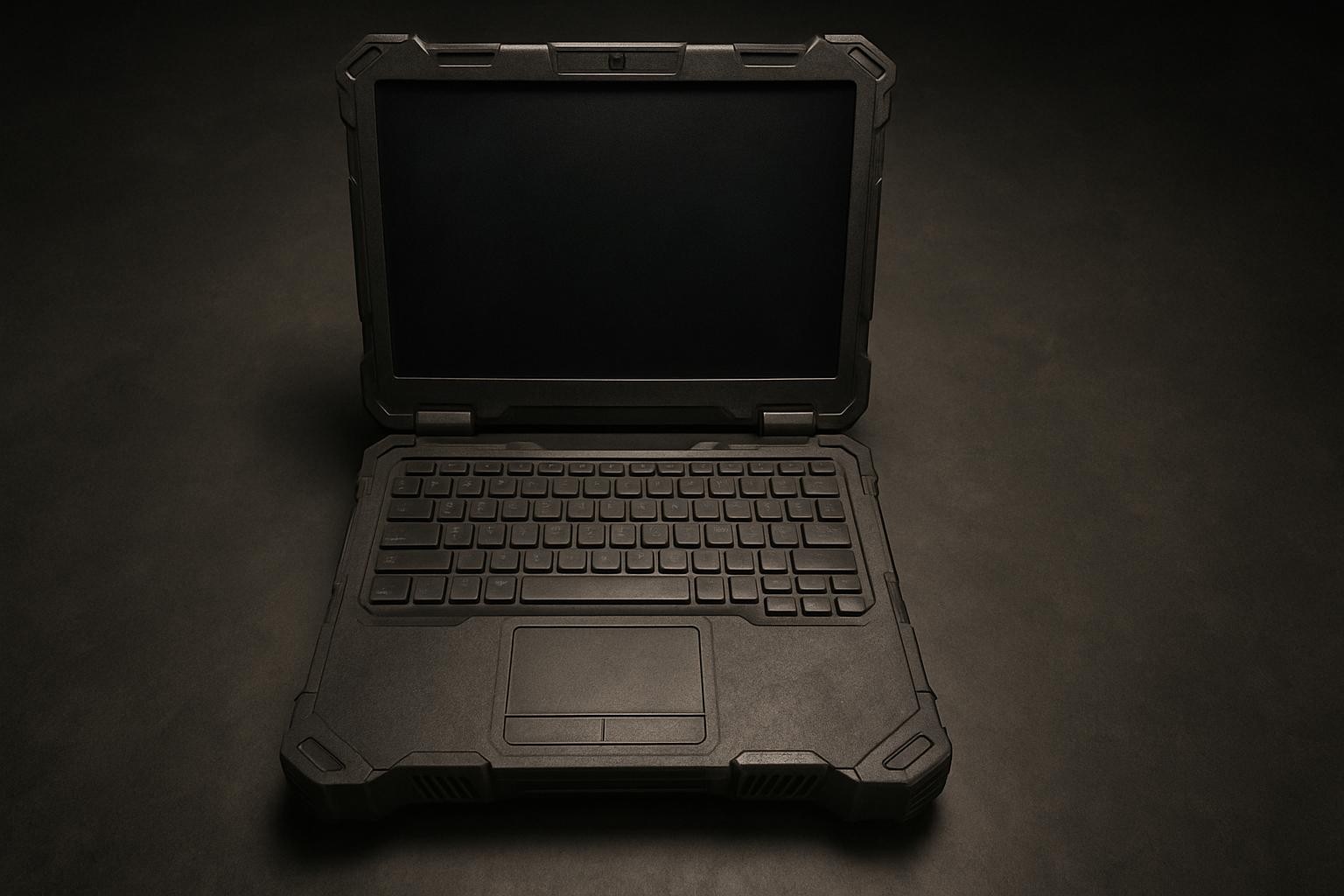
If you’re looking for a laptop that can take a beating without draining your wallet, the ASUS TUF Gaming A15 is a top contender in 2026. Armed with a Ryzen 5 8640HS and the refreshed NVIDIA RTX 3050, it strikes a solid balance between performance and efficiency. It’s not going to blow the doors off with ultra settings in every AAA title, but it’ll handle most modern games smoothly at 1080p and do it without combusting in your backpack.
Durability’s the real headline. With MIL STD 810H certification, the A15 is built to survive knocks, drops, and rough commutes. That, combined with a durable chassis and long battery life, makes it a smart pick for students or gamers who are rarely in one place too long. It’s not flashy, but it’s reliable the kind of system that just does the work.
Best for: People who want enough power to game and edit on the go, without babysitting their gear.
HP Victus 16 (2026)
Here’s the sleeper pick: the HP Victus 16 with an Intel Core i5 14400H and Intel Arc A570M graphics. It’s one of the few systems under $1,200 running Intel’s Arc GPU, and while Arc may not have the same mindshare as NVIDIA or AMD, it pulls more weight than most expect in the 1080p space. Games like Fortnite, Apex Legends, and even Cyberpunk 2077 (at tuned down settings) run reliably and stay visually sharp.
Thermal management is clean no palm scorching after long sessions and the fans stay controlled. HP’s software bundle is minimal, so you’re not spending the first hour killing bloatware. For creators dabbling in video editing, Adobe tools benefit from hardware acceleration, and the system handles FHD workflows without complaint.
Bottom line: This is an undervalued buy for first time creators or gamers who don’t need 240Hz bragging rights. It focuses on the essentials and delivers more than expected for the price.
MSI Thin GF63 (2026)
The MSI Thin GF63 keeps grinding it out in 2026, and for a lot of new gamers, that’s a good thing. Built around an Intel Core i5 13500H and paired with a GTX 1650 Super, it’s far from cutting edge but for less than a grand, you get a machine that still handles 1080p gaming without complaint. Think titles like Fortnite, Valorant, and even Elden Ring with tuned down settings.
Its lean chassis makes it easy to carry, and while you’re not getting premium materials, it doesn’t feel like a toy either. Thermals are managed well enough to keep fan noise low under casual loads, though demanding sessions will get it humming.
Bottom line: the GF63 is dependable. No flair, no breakout features, just steady performance for gamers on a tight budget or those testing the waters. And in a time when budget options seem to be disappearing fast, that’s worth paying attention to.
Final Tips for Buyers
If you’re working with a budget, put your money where performance lives: CPU and GPU. Fancy RGB lights and edgy chassis designs might look cool, but they won’t help you push higher frame rates or cut loading times. A solid graphics chip and strong processor will outlive aesthetic trends every time.
Also, if you can swing it, go for DDR5 RAM. It’s no longer cutting edge it’s the baseline, bringing faster speeds, better multitasking, and more future proofing. In most 2026 models, DDR5 is the difference between a system that holds up and one that drags.
One final truth: low price doesn’t equal low power anymore. Today’s entry level hardware, when chosen wisely, can handle modern titles and workflows. Whether you’re gunning for esports level performance or just looking to game in solid 1080p, there’s serious value out there it just demands smarter selections, not blind spec chasing.