
Major Highlights from Apple
Apple’s latest updates feel less like a flash and more like a quiet remodel solid, deliberate, and built for the long game.
First up, Siri. It’s no longer the timid voice assistant we tolerated for weather reports. Siri now runs entirely on device using Apple’s own generative AI. Why does that matter? One word: privacy. No more pinging off to a cloud server with every command. Processing is fast, context aware, and, most importantly, private.
Then there’s the Mac refresh. The new M4 chips are another leap ahead in power and efficiency. Faster rendering, smarter multitasking, and ridiculous battery life. This is Apple flexing its silicon dominance, and it’s going to make a real difference for anyone creating or editing on the go.
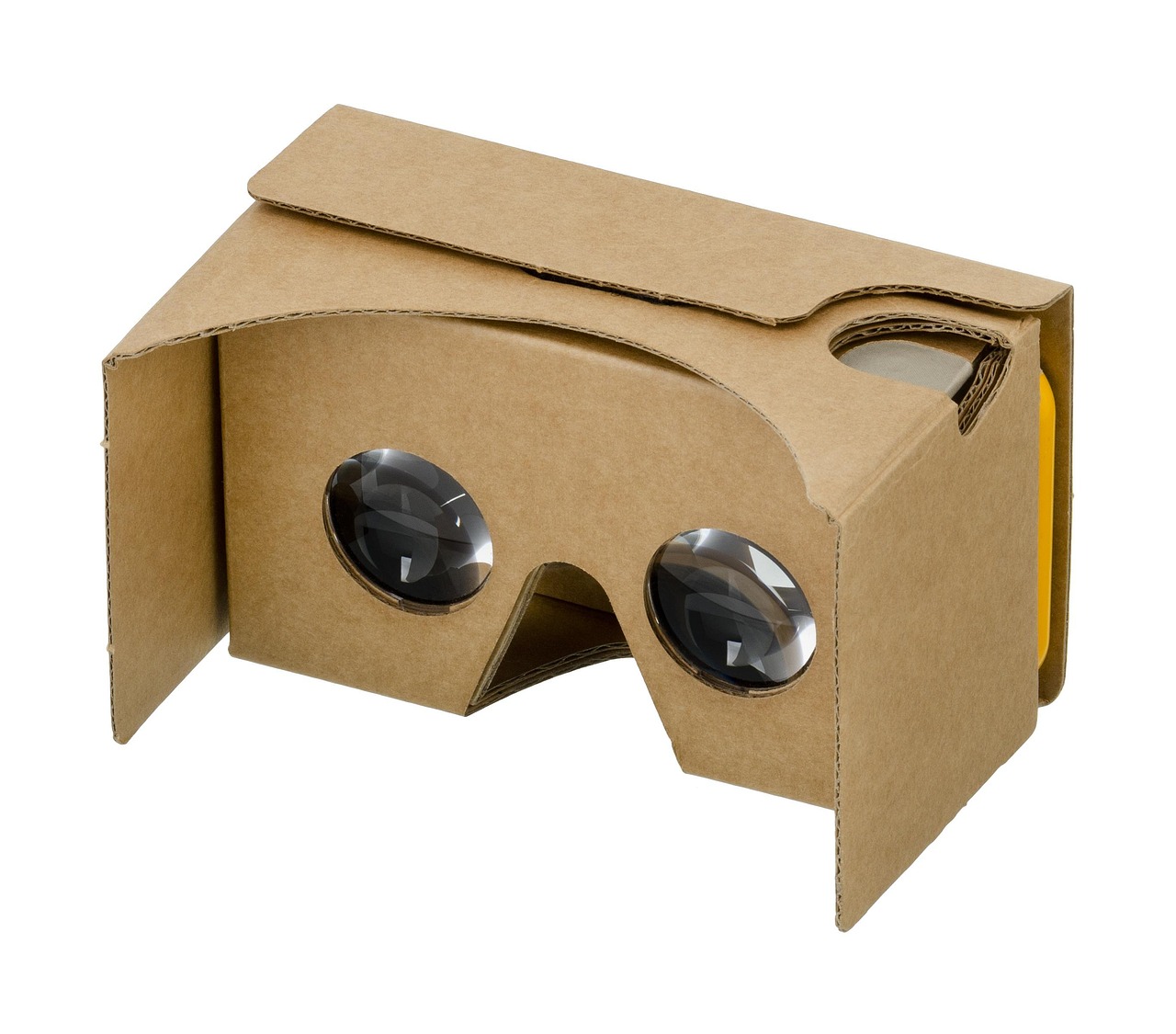
VisionOS 3, Apple’s mixed reality operating system, also gets a meaningful polish. They’re zeroing in on daily utility switching from showpiece demos to things people might actually use. Browsing in MR while cooking, fielding a video call while reviewing documents, or immersive learning in an at home setup. Apple wants it to feel less like science fiction and more like Tuesday.
Understated, sure. But every update points in one direction: faster, more personal, and still wrapped in Apple’s walled garden. Whether you like that or not it works.
Key Google Developments
Google is making major shifts across its software, hardware, and AI strategies changes that will shape the Android ecosystem for years to come. Here’s what stands out:
Gemini Is Now Front and Center
Google Assistant is officially out, and Gemini AI is taking its place across Android devices. What does this mean for users?
Conversational Upgrades: Gemini provides more natural, contextual responses, functioning more like a true assistant than a voice activated command tool.
Task Integration: Expect deeper integration with Google services like Calendar, Gmail, and Docs streamlining daily activity with AI generated summaries, proactive reminders, and multi step task handling.
On Device Intelligence: Some features run locally, improving performance without sending personal data to the cloud.
Pixel 10: A Showcase of Edge AI
The Pixel 10 is more than just another smartphone it’s Google’s model platform for AI processing on the edge.
Edge AI Performance: Enables faster processing of tasks like real time translation, image enhancements, and voice commands without needing constant cloud access.
Camera Improvements: Advanced tuning leads to better low light photography, more accurate skin tone rendering, and cinematic video capabilities.
Tightly Integrated OS: The phone and software experience are built to function seamlessly, highlighting what’s possible when hardware and software are co designed.
Android 16: Smarter, More Secure
With Android 16, Google is tightening security and making systems more predictive.
Improved App Permissions: A more transparent permission model ensures users know exactly what data is being accessed.
Context Aware Controls: The OS can now adjust settings or make suggestions based on individual routines and location data.
Battery and Efficiency Gains: System level changes support better app suspension and resource allocation, especially helpful on older devices.
These updates reveal big strides toward a more user centered Android experience one that’s faster, more intuitive, and centered on privacy and personalization.
Practical Consumer Takeaways
Better Privacy, Smarter Assistants
Recent updates from both Apple and Google reveal a shift toward smarter, more privacy conscious digital assistants. With the integration of on device AI, your personal data is now staying local reducing the risk of third party access.
Key improvements:
On device AI processing ensures privacy first responses
Context aware assistants better understand user intent and conversation history
Reduced latency and faster replies, even without an internet connection
The result is a faster, more intuitive assistant experience without sacrificing your data privacy.
Longer Battery Life and Smoother Performance
Thanks to significant strides in chip development and edge AI processing, flagship devices from Apple and Google are now better optimized for battery life and everyday usability.
Expect these performance upgrades:
Enhanced power efficiency from Apple’s M4 chip and new Pixel edge AI processors
Longer battery life even during high load usage like video rendering or multitasking
Reduced lag, with intelligent background task management and performance tuning
These improvements aim to deliver all day performance without compromise.
Mixed Reality is Getting More Useful
Mixed reality is moving beyond novelty and into practical, everyday use. With Apple VisionOS 3 and advancements in compatible Android hardware, early adopters are starting to see real world benefits.
New areas of application include:
Education: Interactive learning environments that combine physical and digital elements
Remote work: Virtual collaboration tools that simulate in office presence
Healthcare: Mixed reality for diagnostics, training, and even therapy support
While still maturing, MR tech is carving a path from hype to utility especially for professionals with specific tasks in mind.
What to Watch in the Coming Months
Apple and Google are locking horns in what’s shaping up to be a full blown ecosystem war. From services to hardware to AI integration, both companies are closing ranks. For users, this means tighter walls: switching from iOS to Android or the other way around is getting more painful by design. Your apps, your media, even your smart home devices are increasingly tied to the system you choose, which makes long term flexibility a luxury, not a given.
Then there’s the creeping subscription creep. The AI arms race is leading to more features sure but also more paywalls. Want smarter editing, personalized content summaries, or advanced automation in your assistant? Get ready to subscribe. The upsell is happening at the software layer, not the hardware shelf, and it’s not slowing down.
Speaking of hardware, don’t expect major leaps in the next few months. The real action is on the software side. AI models are evolving fast, reshaping how we interact with devices we already own. Battery life and chip speeds might improve incrementally, but the next big upgrade will come through smarter, context aware software not a shinier phone.
The tech landscape going forward isn’t about flash. It’s about lock in, small fees that add up, and systems that work better the more deeply you’re invested. Whether that’s good or bad depends on how much control you’re willing to trade for convenience.
For more context on this month’s wider tech landscape, check out Top Tech Headlines This Month and Why They Matter.