
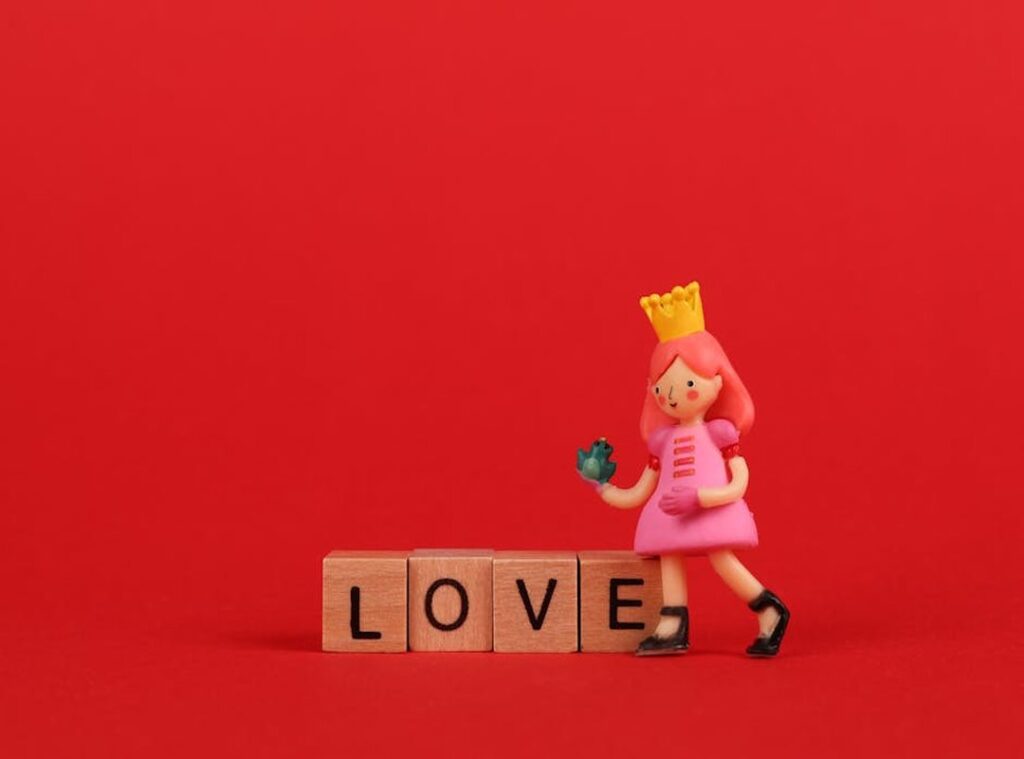
Drawing kawaii characters can be a real challenge. I get it. You want to create something cute and charming, but it often ends up looking off.
I’ve been there. Frustration builds up, and you start to wonder if you’ll ever get it right. But here’s the thing: with the right guidance, anyone can master tekenen kawaii poppetjes.
This guide is all about helping you. We’ll break it down step by step, from basic shapes to detailed designs. No more guesswork.
Just clear, practical instructions to help you bring your kawaii characters to life.
So, are you ready to dive in, and let’s make some adorable art.
Understanding Kawaii: The Basics
What is Kawaii? It’s a Japanese term that means “cute” or “adorable.” But it’s more than just a word. It’s a cultural phenomenon.
Kawaii is all about embracing cuteness and innocence. You see it in everything from fashion to art. It’s a way of looking at the world with a playful, positive vibe.
Key Characteristics: When you think of kawaii, a few things come to mind. Large, expressive eyes, and round, soft faces.
Simple, cute expressions. These features make characters and objects look endearing and approachable.
I once asked a friend who’s into kawaii, “Why do you love it so much?” She said, “It makes me feel happy. It’s like a little escape from the stress of everyday life.”
Inspiration: There are some iconic kawaii characters out there. Take Hello Kitty, for example. Her simple, round face and big bow are instantly recognizable.
Or how about Rilakkuma, the lazy bear who loves to relax? Each character has its own unique traits that make them stand out.
Another popular one is Gudetama, the lazy egg. He’s always lying around, looking bored, and but that’s part of his charm.
People relate to his laid-back attitude.
If you’re interested in creating your own kawaii art, try tekenen kawaii poppetjes. It’s a fun and creative way to express yourself.
Tools and Materials for Kawaii Art
When it comes to kawaii drawing, you don’t need a ton of fancy stuff. Just some basic tools will do. Pencils, erasers, and sketchbooks are your go-to essentials.
They’re simple, affordable, and get the job done.
But let’s talk about digital options. Tablets and software can take your tekenen kawaii poppetjes to the next level. With digital tools, you can easily edit, undo, and experiment with colors and styles.
Plus, there’s no mess to clean up.
So, which is better, and it depends on what you like. If you prefer the feel of paper and the smell of pencil shavings, stick with traditional tools.
But if you want more flexibility and the ability to share your art online instantly, digital might be the way to go.
In the end, both methods have their perks. Choose the one that feels right for you.
Step-by-Step Guide to Drawing Kawaii Characters
Starting with Basic Shapes
When you start drawing kawaii characters, keep it simple. Use basic shapes like circles and ovals for the head and body. This makes the process easier and less intimidating.
Adding Features
Once you have the basic shapes, add the eyes, nose, and mouth. Keep these features simple and exaggerated. Big, round eyes and a tiny nose can make your character look super cute.
Body Proportions
For the body and limbs, focus on simplicity and cuteness. Kawaii characters often have small, stubby arms and legs. This adds to their adorable, childlike appearance.
Drawing tekenen kawaii poppetjes is all about capturing that cute, endearing look. By using these simple techniques, you can create characters that are not only fun to draw but also bring a smile to anyone who sees them.
- Start with basic shapes.
- Add simple, exaggerated features.
- Focus on cute, simple body proportions.
By following these steps, you’ll be able to create charming kawaii characters in no time. It’s a great way to express your creativity and add a bit of joy to your day.
Creating Expressions and Poses

Drawing kawaii characters is all about capturing that cute, endearing vibe. Facial Expressions: Start with the basics. For a happy face, draw big, round eyes and a wide, curved mouth.
Sad, and add droopy eyes and a frowning mouth. Surprised?
Make the eyes extra round and the mouth a small “o.”
Poses and Movements: Now, let’s make those characters move. Think about how you want them to interact with their environment. A kawaii character jumping?
Draw them mid-air with bouncy, dynamic lines, and sitting? Show them in a relaxed, casual pose.
Remember, tekenen kawaii poppetjes is all about simplicity and charm. Keep your lines clean and your shapes simple.
What’s next? You might be wondering how to keep up with the latest trends in kawaii art. Check out some top tech headlines this month and why they matter for inspiration and new tools.
Adding Details and Personal Touches
When it comes to kawaii characters, the little details can make a big difference. Let’s start with clothing and accessories.
First, think about what kind of personality you want your character to have. Is it playful, and shy?
Adventurous, and the clothes and accessories should reflect that. For example, a playful character might wear a cute bow or a fun hat.
A shy one could have a cozy sweater and a small book.
Now, let’s talk about backgrounds and scenes, and simple is often better here. You don’t need to go overboard with intricate designs.
A few basic elements can set the scene perfectly.
For instance, if your character is at a park, add a tree, a bench, and maybe a few flowers. These small touches help bring the character to life without overwhelming the drawing.
Remember, tekenen kawaii poppetjes is all about simplicity and charm. Keep it light and fun.
Pro tip: Use soft, pastel colors for a more authentic kawaii feel.
Coloring and Shading Techniques
Choosing Colors: When it comes to picking colors for your kawaii art, go with pastels and soft hues. These colors give that sweet, gentle vibe that’s perfect for the style. Avoid dark, bold colors—they can make your characters look too serious.
Shading and Highlights: Adding shading and highlights is key to giving your kawaii characters depth. Think about where the light source is coming from. If the light is above, shade the bottom of your character.
Add a little highlight on the top to make it pop.
TEKENEN KAWAII POPPETJES is all about making your characters cute and charming. The right colors and shading can make a big difference.
Pro Tip: Use a light touch with your shading. Too much can overwhelm the cuteness, and keep it subtle.
Perfecting Your Kawaii Karaktertekeningen
To start, focus on simplicity and cuteness. Use large, round eyes and small, simple features. Teken kawaii poppetjes with a playful, whimsical touch.
Keep the shapes and lines soft and rounded. Add pastel colors or light, cheerful hues to enhance the kawaii feel. Practice regularly to refine your style.
With time and dedication, you’ll see improvement in your drawings. Remember, the key is to have fun and let your creativity flow. Share your creations with friends and online communities for feedback and inspiration.
 There is a specific skill involved in explaining something clearly — one that is completely separate from actually knowing the subject. Jameseth Acevedo has both. They has spent years working with software development insights in a hands-on capacity, and an equal amount of time figuring out how to translate that experience into writing that people with different backgrounds can actually absorb and use.
Jameseth tends to approach complex subjects — Software Development Insights, Expert Analysis, Computer Hardware Reviews being good examples — by starting with what the reader already knows, then building outward from there rather than dropping them in the deep end. It sounds like a small thing. In practice it makes a significant difference in whether someone finishes the article or abandons it halfway through. They is also good at knowing when to stop — a surprisingly underrated skill. Some writers bury useful information under so many caveats and qualifications that the point disappears. Jameseth knows where the point is and gets there without too many detours.
The practical effect of all this is that people who read Jameseth's work tend to come away actually capable of doing something with it. Not just vaguely informed — actually capable. For a writer working in software development insights, that is probably the best possible outcome, and it's the standard Jameseth holds they's own work to.
There is a specific skill involved in explaining something clearly — one that is completely separate from actually knowing the subject. Jameseth Acevedo has both. They has spent years working with software development insights in a hands-on capacity, and an equal amount of time figuring out how to translate that experience into writing that people with different backgrounds can actually absorb and use.
Jameseth tends to approach complex subjects — Software Development Insights, Expert Analysis, Computer Hardware Reviews being good examples — by starting with what the reader already knows, then building outward from there rather than dropping them in the deep end. It sounds like a small thing. In practice it makes a significant difference in whether someone finishes the article or abandons it halfway through. They is also good at knowing when to stop — a surprisingly underrated skill. Some writers bury useful information under so many caveats and qualifications that the point disappears. Jameseth knows where the point is and gets there without too many detours.
The practical effect of all this is that people who read Jameseth's work tend to come away actually capable of doing something with it. Not just vaguely informed — actually capable. For a writer working in software development insights, that is probably the best possible outcome, and it's the standard Jameseth holds they's own work to.