
High-stakes sailing is a heart-pounding, high-risk world. In 2013, the America’s Cup training in San Francisco Bay was no exception. The Artemis Racing team had their revolutionary AC72 catamaran, a boat that pushed the limits of what was possible.
This vessel was a marvel of technology and speed.
I’m here to give you a clear, factual account of a catastrophic training accident on May 9, 2013. It involved the entire crew, including American sailor Matt Turner. This matt turner sailor accident was a tragic loss that forever changed the sport.
You’ll get a comprehensive look at what happened, why it happened, and the lasting impact on sailing safety. Trust me, this story is worth your time.
Setting the Stage: The Artemis Racing Crew and the AC72
Let’s talk about the Artemis Racing team. These weren’t just any sailors; they were some of the best in the world.
Matt Turner, an American grinder, was a key member. His role was crucial for the powerful catamaran’s performance.
Skipper Iain Percy and strategist Andrew ‘Bart’ Simpson, an Olympic gold medalist, were also on board. Their experience and skill set the tone for the entire crew.
The AC72 catamaran was a beast. At 72 feet long, it was designed to fly above the water on hydrofoils. This design allowed it to reach incredible speeds, making it both thrilling and challenging to sail.
Training in San Francisco Bay added to the pressure. The bay’s conditions were perfect for pushing the limits of the AC72. But with great speed comes great risk.
- The elite status of the crew.
- The cutting-edge design of the AC72.
- The intense training environment.
The matt turner sailor accident is a stark reminder of the dangers these athletes face. Every day, they pushed themselves and their equipment to the edge.
A Split-Second Catastrophe: How the Capsize Unfolded
On May 9, 2013, everything changed in an instant. The weather was rough, with strong winds and choppy seas, but nothing out of the ordinary for experienced sailors.
The crew was performing a downwind turn, known as a ‘bear-away.’ Think of it like a car making a sharp turn at high speed—highly stressful on the vehicle. For the catamaran, this meant immense pressure on its structure.
Then, the unthinkable happened. The forward crossbeam, a critical part of the boat’s skeleton, snapped. Imagine a table leg giving way; the whole thing collapses.
The two hulls folded inward, and the boat nosedived into the water.
Chaos erupted. The massive wing sail, like a giant tree falling, crashed into the water. The platform disintegrated, trapping some of the crew members underneath.
It was a nightmare scenario, unfolding in seconds.
Matt Turner sailor accident is a stark reminder of how quickly things can go wrong, even when you think you’re prepared.
The Frantic Rescue and Heartbreaking Outcome
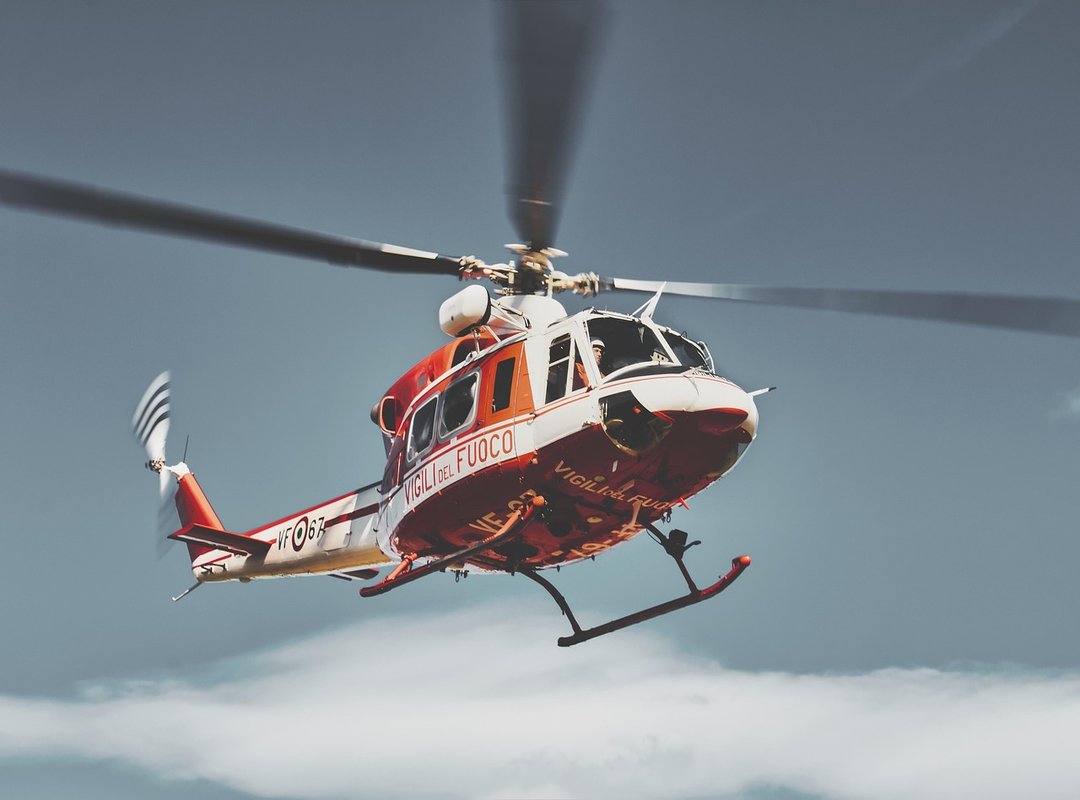
The moment the Artemis Racing catamaran capsized, chaos erupted. Support boats and emergency services scrambled to the scene. Crew members, including a conscious Matt Turner, were pulled from the water amid the wreckage. matt turner sailor accident
It was a frantic effort, with everyone moving as fast as they could.
But the real nightmare was just beginning. Andrew ‘Bart’ Simpson was trapped under the boat’s solid platform. The desperation was palpable.
Divers and rescuers worked tirelessly, but time was against them.
Simpson was eventually freed and received immediate medical attention. Despite their best efforts, he was pronounced dead. Drowning—a stark reminder of the extreme danger in these situations.
It’s a harsh reality. Sailing, especially at the elite level, is fraught with risks. The matt turner sailor accident shows just how quickly things can go wrong.
It’s a heartbreaking outcome that underscores the need for constant vigilance and safety measures.
Aftermath: The Investigation and a New Era of Safety
The official review and investigation that followed the matt turner sailor accident were thorough. They left no stone unturned.
Key findings pointed to a structural failure of the catamaran as the primary cause. It was a wake-up call for everyone in the sport.
Safety recommendations were mandated for the rest of the America’s Cup and future events. These changes were long overdue.
Mandatory helmets, personal flotation devices with spare air, and improved rescue training for all teams became the new norm. These measures should have been in place from the start.
This tragic event forced the sport to prioritize sailor safety alongside performance. It was a crucial shift in mindset.
We can’t change the past, but we can make sure it never happens again. That’s the least we owe to those who risk their lives on the water.
A Legacy of Safety Forged from Tragedy
The Artemis Racing accident during the 2013 America’s Cup training in San Francisco Bay was a stark reminder of the human cost of pushing technological boundaries. It resulted in the tragic death of Andrew ‘Bart’ Simpson, a highly skilled and beloved sailor.
Matt Turner, one of the surviving crew members, faced profound emotional and physical challenges. The incident deeply affected the entire international sailing community, prompting a reevaluation of safety standards and protocols.
While the accident cast a dark shadow over the sport, it also sparked critical advancements in safety measures. These improvements have since protected countless sailors in high-performance environments.
Andrew ‘Bart’ Simpson’s legacy lives on through these enhanced safety practices, ensuring that his memory continues to safeguard the lives of those who share his passion for the sea.
 There is a specific skill involved in explaining something clearly — one that is completely separate from actually knowing the subject. Laura Lemirestove has both. They has spent years working with software development insights in a hands-on capacity, and an equal amount of time figuring out how to translate that experience into writing that people with different backgrounds can actually absorb and use.
Laura tends to approach complex subjects — Software Development Insights, Tech Tutorials and Guides, Latest Tech News being good examples — by starting with what the reader already knows, then building outward from there rather than dropping them in the deep end. It sounds like a small thing. In practice it makes a significant difference in whether someone finishes the article or abandons it halfway through. They is also good at knowing when to stop — a surprisingly underrated skill. Some writers bury useful information under so many caveats and qualifications that the point disappears. Laura knows where the point is and gets there without too many detours.
The practical effect of all this is that people who read Laura's work tend to come away actually capable of doing something with it. Not just vaguely informed — actually capable. For a writer working in software development insights, that is probably the best possible outcome, and it's the standard Laura holds they's own work to.
There is a specific skill involved in explaining something clearly — one that is completely separate from actually knowing the subject. Laura Lemirestove has both. They has spent years working with software development insights in a hands-on capacity, and an equal amount of time figuring out how to translate that experience into writing that people with different backgrounds can actually absorb and use.
Laura tends to approach complex subjects — Software Development Insights, Tech Tutorials and Guides, Latest Tech News being good examples — by starting with what the reader already knows, then building outward from there rather than dropping them in the deep end. It sounds like a small thing. In practice it makes a significant difference in whether someone finishes the article or abandons it halfway through. They is also good at knowing when to stop — a surprisingly underrated skill. Some writers bury useful information under so many caveats and qualifications that the point disappears. Laura knows where the point is and gets there without too many detours.
The practical effect of all this is that people who read Laura's work tend to come away actually capable of doing something with it. Not just vaguely informed — actually capable. For a writer working in software development insights, that is probably the best possible outcome, and it's the standard Laura holds they's own work to.