Smarter Devices, Less Effort
In 2026, AI is making everyday tech so intuitive that users barely have to think about how it works. The era of static settings and manual input is fading, replaced by intelligent systems that learn, adapt, and respond in real time.
Anticipating Needs Beyond Voice Commands
Voice assistants were the first wave but now AI systems go further. Instead of waiting for user prompts, they observe routines, recognize behavioral patterns, and proactively act.
Smart assistants adjust lighting, play music, or suggest schedules based on your habits
Proactive reminders now include context, such as traffic patterns or current moods
AI adjusts interaction styles (tone, timing, complexity) based on past behavior
Personalized Automation Everywhere
AI is now embedded into common household devices giving rise to seamless, almost invisible automation.
Smart fridges track inventory, suggest recipes, and auto add to your grocery list
AI powered thermostats learn your comfort zones and real time energy usage
TVs and displays adapt content, brightness, and sound modes without prompting
From Static Settings to Real Time Learning
Old school devices relied on default settings and occasional tinkering. Today, AI allows devices to learn and evolve continuously after purchase.
Devices fine tune performance based on ongoing use, not fixed options
Real time feedback allows for immediate optimizations
Shared anonymized data helps devices across the ecosystem get smarter over time
The bottom line? Consumers no longer need to adapt to their tech now, tech adapts to them.
Hyper Personalization in Action
In 2026, personalization isn’t just about shoe size or search history. Now, platforms are reading between the lines your tone, scroll speed, and even micro pauses. AI is fueling a new class of shopping experiences that adjust in real time to user moods, not just preferences. You browse while tired? The interface softens, simplifies. In a high energy shopping sprint? Color, urgency, and limited time offers ramp up to match.
Meanwhile, apps are learning what content grabs you not once but consistently. They pivot recommendations within a session, reacting to yawns, eye movement, and taps. You might start a workout video and, halfway through, get prompted to switch to peppermint scented recovery wear. It’s personalization turned reactive, continuous, and more than a little uncanny.
There’s a flip side, of course. The same data that makes your experience feel tailored also stirs real privacy debates. Is it convenience or control when an app adjusts its tone because it thinks you’re stressed? When your phone detects a slump in energy and pushes caffeine products, who’s in charge your preference or your profile?
The result is powerful, but not passive. As systems get smarter, users need to stay critical. Hyper personalization is here, and it demands more than trust it requires attention.
AI as a Co Pilot, Not Just a Tool
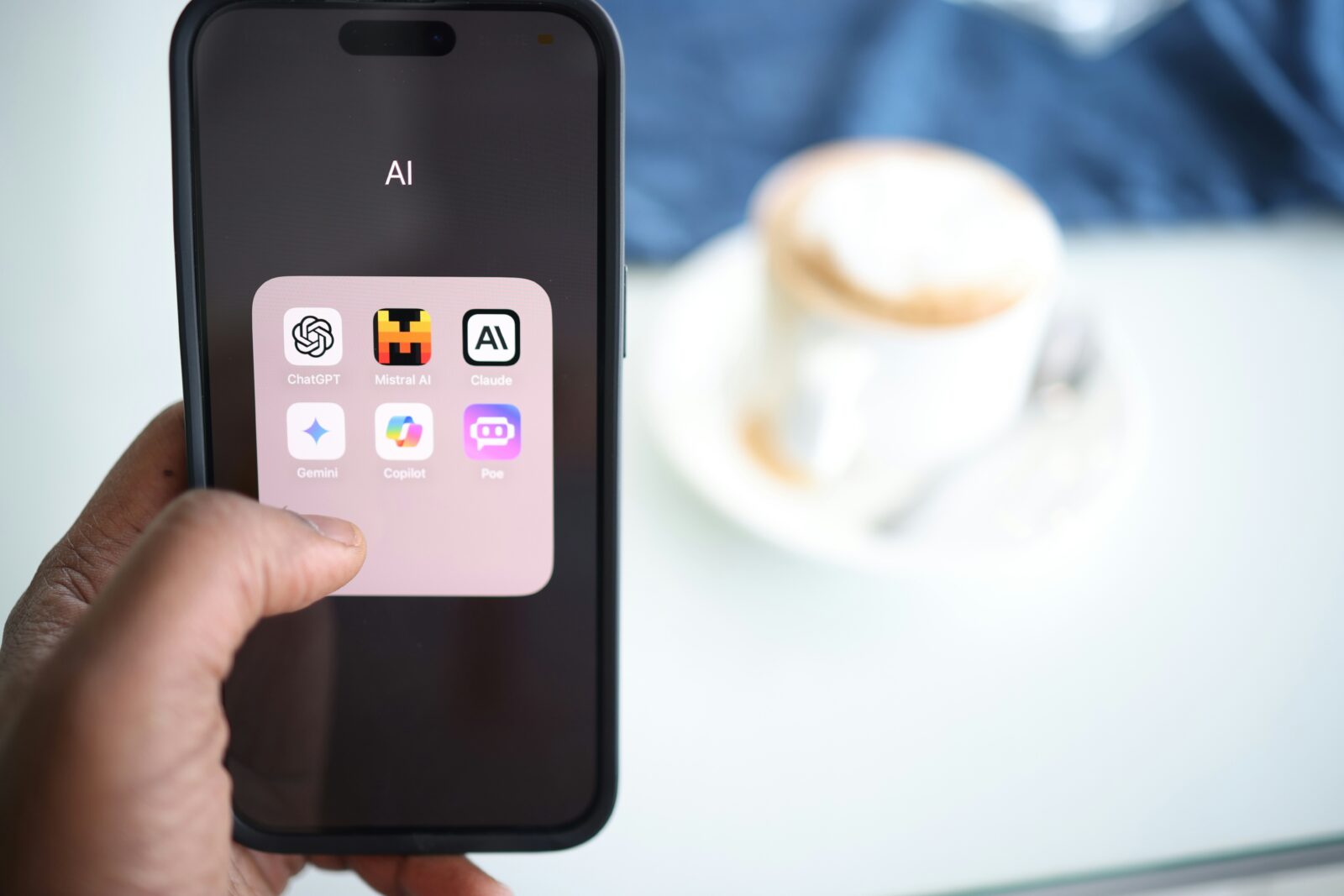
Artificial Intelligence has moved far beyond passive assistance it’s now becoming an active collaborator. In 2026, users are co creating with AI, not just directing it.
From Editing Tools to Creative Partners
AI is stepping up from the background to become a genuine creative partner. Whether you’re editing a photo, designing a home layout, or composing music, AI tools are offering suggestions, filling in gaps, and refining results in real time.
Photo and Video Editing: AI enhances lighting, recommends cuts, and even styles content based on personal preferences.
Home and Interior Design: Apps use AI to suggest furniture layouts, color palettes, and decor ideas tailored to your habits and style.
Content Creation: Writers, musicians, and designers are now using generative AI models as co authors and co creators, reducing creative roadblocks.
A New Class of Consumers: AI Fluent
A growing segment of users aren’t just interacting with AI they’re fluent in it. These individuals understand prompt engineering, model limitations, and how to get the best outputs.
AI fluency means knowing how to use the right tools for the task.
Consumers are customizing AI models to their workflows.
The result: faster productivity, more personalized outcomes, and enhanced creativity.
Why This Matters
We’re entering a phase where the line between user and developer is becoming increasingly blurred. Those who can actively engage with AI as partners, not just passive consumers stand to gain the most from this shift.
AI isn’t replacing creativity; it’s amplifying it.
The real edge lies in collaboration, not substitution.
Security Meets Adaptability
Passwords are quietly being phased out. Not with a bang, but with smarter alternatives that actually know it’s you. Behavior based authentication how you swipe, how fast you type, even how you hold your phone is quickly becoming the frontline defense. It’s less annoying than memorizing a dozen variations of your dog’s name, and it works. These subtle biometric patterns are harder to fake and easier for users to live with.
Meanwhile, AI driven fraud detection doesn’t wait around for something to look suspicious. It adapts in real time, learning the difference between a late night scroll spree and a bot trying to drain your bank account. The reaction time has shrunk from minutes to milliseconds. Smart systems don’t just flag threats they stop them mid click.
Of course, with deeper insight comes deeper responsibility. All this personalized tracking opens up new conversations about privacy. Who’s storing your gait pattern? How is your data secured when your device knows your routines better than you do? As security tech gets more advanced, users will need to stay alert not just to hackers, but to how the keepers of the tech use (or misuse) their information.
Staying Ahead of Rapid Shifts
The old model big software update every few months, new device every few years is crumbling. AI doesn’t run on calendars. It evolves constantly, pulling in data, tweaking performance, and learning from millions of users in real time. In 2026, that means your tech is training itself while you sleep.
Devices are now smart enough to fix their own hiccups. Thermostats calibrate to new seasons without prodding. Smart speakers learn your routines and adjust how they respond. Phones optimize battery life not from preset modes, but from watching how and when you use apps. This isn’t just smarter software it’s adaptive design that keeps improving without asking permission.
For consumers, it means less waiting and more performance. But it also means staying informed. If your device is learning from you, you should probably keep learning about it. For deeper insights, check out this guide on keeping up with tech.
What It Means for Consumers in 2026
The bar has moved. It’s not enough for tech to work now it needs to understand you. Consumers in 2026 aren’t wowed by basic functionality anymore. They expect devices to feel intuitive, to respond before they ask, and to integrate smoothly into everyday life. In short, people want tech that ‘gets them,’ not just gadgets that listen.
But there’s a trade off. Smarter tech learns from its users. That means whether you’re training a smart thermostat or correcting your virtual assistant, every interaction shapes what it becomes. Users aren’t just consumers they’re the co designers of AI behavior. The more you engage, the more useful your device becomes.
This puts early adopters in a strong position. By leaning in exploring new settings, correcting AI missteps, and tracking platform updates users can shape tools that work better for their specific needs. Don’t settle into old habits. The ecosystem is still evolving, and those who keep learning will lead the pack.
For practical ways to stay sharp, check out this guide on keeping up with tech.
 There is a specific skill involved in explaining something clearly — one that is completely separate from actually knowing the subject. Laura Lemirestove has both. They has spent years working with software development insights in a hands-on capacity, and an equal amount of time figuring out how to translate that experience into writing that people with different backgrounds can actually absorb and use.
Laura tends to approach complex subjects — Software Development Insights, Tech Tutorials and Guides, Latest Tech News being good examples — by starting with what the reader already knows, then building outward from there rather than dropping them in the deep end. It sounds like a small thing. In practice it makes a significant difference in whether someone finishes the article or abandons it halfway through. They is also good at knowing when to stop — a surprisingly underrated skill. Some writers bury useful information under so many caveats and qualifications that the point disappears. Laura knows where the point is and gets there without too many detours.
The practical effect of all this is that people who read Laura's work tend to come away actually capable of doing something with it. Not just vaguely informed — actually capable. For a writer working in software development insights, that is probably the best possible outcome, and it's the standard Laura holds they's own work to.
There is a specific skill involved in explaining something clearly — one that is completely separate from actually knowing the subject. Laura Lemirestove has both. They has spent years working with software development insights in a hands-on capacity, and an equal amount of time figuring out how to translate that experience into writing that people with different backgrounds can actually absorb and use.
Laura tends to approach complex subjects — Software Development Insights, Tech Tutorials and Guides, Latest Tech News being good examples — by starting with what the reader already knows, then building outward from there rather than dropping them in the deep end. It sounds like a small thing. In practice it makes a significant difference in whether someone finishes the article or abandons it halfway through. They is also good at knowing when to stop — a surprisingly underrated skill. Some writers bury useful information under so many caveats and qualifications that the point disappears. Laura knows where the point is and gets there without too many detours.
The practical effect of all this is that people who read Laura's work tend to come away actually capable of doing something with it. Not just vaguely informed — actually capable. For a writer working in software development insights, that is probably the best possible outcome, and it's the standard Laura holds they's own work to.