
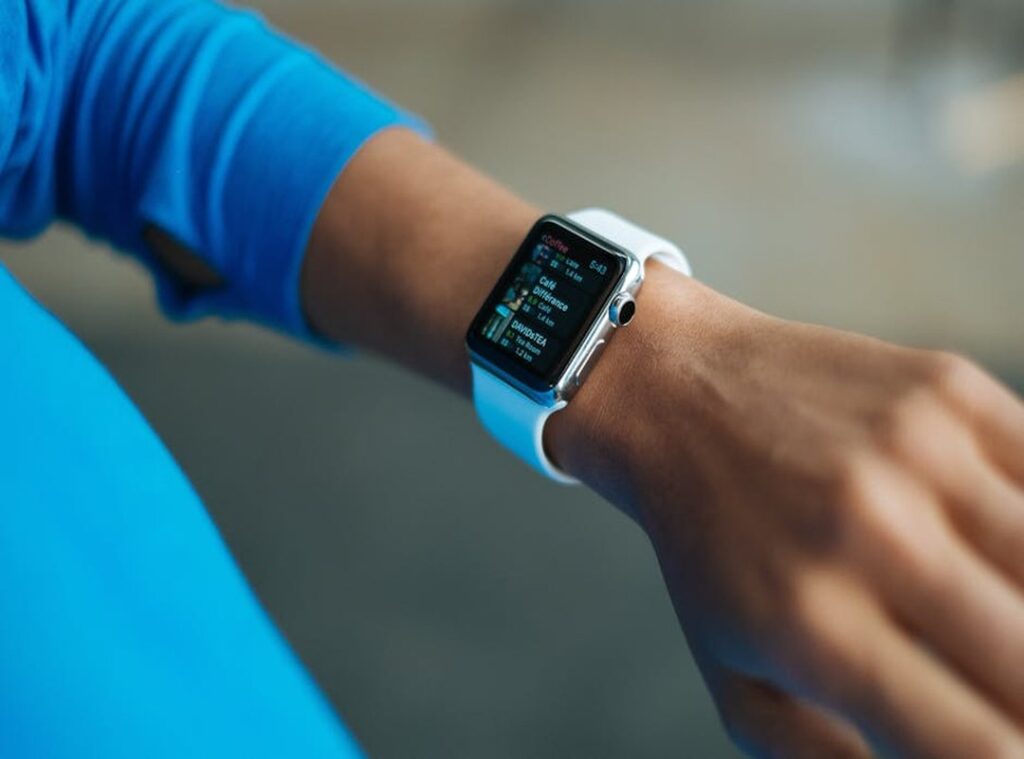
You’re staring at two devices. One promises everything. The other promises one thing well.
Which do you pick?
I’ve worn both every day for months. Not just tested them. Lived with them. Through workouts, sleep tracking, notifications, battery anxiety, and that moment when your watch stops responding mid-run.
Galaxy Watch vs Fitbit Fntkdevices isn’t about specs on a spec sheet.
It’s about what actually works when you’re rushing out the door or trying to hit a step goal after a long day.
Fitbit feels like a tool. Galaxy Watch feels like a phone on your wrist (which is great (until) it’s not).
You want clarity. Not hype. Not vague comparisons.
I’m cutting through the noise. No fluff. Just what matters most.
For your habits, your routine, your priorities.
By the end, you’ll know which one fits. Not just your wrist, but your life.
The Core Difference: Tracker vs. Smartwatch
I’ve worn both for years. Not as a test. As daily life.
Fitbit devices? They’re built to track. Heart rate.
The Galaxy Watch is a mini-smartphone on your wrist. It answers calls, runs Spotify, loads WhatsApp, and tracks steps. All while draining battery faster than my patience in traffic.
Sleep stages. Stress levels. That’s their job.
Everything else (texts,) weather, payments (is) bolted on carefully. Not tacked on.
Think of it like this: Galaxy Watch is a with a laser pointer, corkscrew, and tiny flashlight (none of which you asked for). Fitbit is a chef’s knife (sharp,) focused, and it doesn’t pretend to be a screwdriver.
Battery life proves it. Galaxy Watch lasts 1 (2) days. Fitbit Charge lasts 7.
Versa? 6. Sense? 6. You choose what you actually need (not) what looks flashy in the box.
App support reflects that too. Galaxy Watch pulls from Wear OS (wide) but uneven. Fitbit’s app store is smaller, yes.
But every app works. Every update lands cleanly.
You don’t need 42 apps on your wrist. You need the ones that don’t crash when your heart rate spikes.
If you want deep health takeaways without the bloat, start here: Fntkdevices.
Galaxy Watch vs Fitbit Fntkdevices isn’t about specs. It’s about honesty. What do you do.
Not what do you want to say you do?
Health & Fitness Tracking: Galaxy Watch vs Fitbit Fntkdevices
I’ve worn both daily for over a year. Not for fun. For work.
And to see what actually holds up.
Let’s talk sensors first.
Galaxy Watch uses BIA. Body Composition. To estimate body fat and muscle mass. It works okay if you’re consistent with timing and hydration (which most people aren’t).
Fitbit Sense adds EDA. Skin conductance (to) guess stress levels. It’s not magic.
It’s just one data point, and it gets noisy fast.
ECG? Both do it. Galaxy Watch got FDA clearance earlier.
Fitbit rolled it out later but now supports it on Sense models. Neither replaces a doctor. But both let you catch irregular rhythms before you feel symptoms.
That matters.
Sleep tracking? Fitbit still wins. Hands down.
Their sleep stages are more consistent across nights. Their sleep score includes heart rate variability, movement, and time awake (all) in one number. Galaxy Watch improved, but its REM detection still drifts.
Workout tracking? Galaxy Watch auto-detects 9 activities. Fitbit does 20+.
Auto-detection is hit-or-miss on both. I’ve had Galaxy Watch call a coffee run “cycling.” Fitbit once logged my shower as “swimming.” (Yes, really.)
Fitbit Premium locks the deep stuff. Things like Sleep Profile, Daily Readiness Score, and detailed recovery takeaways. You can get basic sleep data free.
But the real patterns? Behind the paywall.
You can read more about this in Latest Tech Devices.
Galaxy Watch gives you everything upfront. No subscription. Just raw data.
Sometimes too raw.
So which should you pick?
If you want clarity without subscriptions: Galaxy Watch.
If you live for sleep details and don’t mind paying $10/month: Fitbit.
And if you’re comparing them right now? You’re probably already leaning one way. Trust that instinct.
Beyond the Gym: Where Smartwatches Actually Live
I stopped using my Fitbit as a watch years ago. It’s great for step counts and sleep scores. But it’s not built to do things.
The Galaxy Watch runs Wear OS. That means Google Play Store access. Right on your wrist.
You can install Spotify, Strava, Todoist (real) apps, not just branded widgets.
Fitbit OS? It’s lean. It’s simple.
It’s also locked down. No sideloading. No third-party keyboards.
No real customization. You get what Fitbit gives you (and) that’s it.
Try replying to a text on either. On the Galaxy Watch, I use the full keyboard. Or voice.
Or predictive swipe. On Fitbit? You pick from five canned replies or scribble letters with your finger.
(Good luck reading that.)
Calls work on both. But only the Galaxy Watch lets you answer without pulling your phone. Notifications?
Wear OS groups them, lets you snooze, dismiss, or act. Fitbit shoves them at you like a passive-aggressive roommate.
Payments? Samsung Pay and Google Wallet work on Galaxy Watch. Most major banks support it.
Tap and go. Done. Fitbit Pay?
Fewer banks. Slower setup. Less reliable at checkout.
(I’ve had it fail three times this month.)
Phone compatibility matters more than specs. Galaxy Watch talks deeply with Samsung phones (yes) — but also works cleanly with any Android device. Fitbit syncs fine, but feels like a distant cousin, not a co-pilot.
If you want a tracker, Fitbit wins on battery and simplicity. If you want a wrist computer that replaces phone taps? That’s where the Galaxy Watch vs Fitbit Fntkdevices comparison gets real.
For deeper dives into what’s actually shipping now (like) which models support LTE out of the box or why some banks still block Fitbit Pay. Check out the Latest Tech Devices Fntkdevices roundup. I update it weekly.
Design, Battery Life, Price: Pick Your Poison
I bought a Galaxy Watch thinking it’d be my forever watch. It lasted 36 hours on a full charge. Then I switched to a Fitbit Charge 6.
Five days. No panic.
Battery life isn’t just a spec. It’s whether you remember to plug it in (or) forget and stare at a black screen mid-day. Galaxy Watch vs Fitbit Fntkdevices comes down to this: do you want the flash or the function?
The Galaxy Watch looks like a real watch. Round face. Bright AMOLED.
Rotating bezel (if you get the right model). Fitbit leans into minimalism. Squircle screens.
Lighter bands. Less “look at me,” more “I’m here to count your steps.”
Price? Galaxy Watch starts at $250. Fitbit Charge 6 is $160.
Versa 4 is $200. But don’t skip Fitbit Premium. $10/month. Adds sleep scores, guided programs, nutrition logs.
That subscription adds up fast ($120) a year. Is it worth it? Only if you use it.
Most people don’t.
You’ll pay more for polish. You’ll pay less for reliability. Neither is wrong.
But pick knowing what you’re trading.
The Role of Modern Devices Fntkdevices shows how these choices shape daily use (not) just specs on a box.
Which One Actually Fits Your Day?
I’ve used both. I’ve worn them through meetings, workouts, and sleepless nights.
You’re not choosing a gadget. You’re choosing how you want to move through your day.
Galaxy Watch vs Fitbit Fntkdevices comes down to one thing: what’s actually bugging you right now?
Is it your phone buzzing nonstop (and) needing a smarter, faster way to handle it? Or is it waking up tired, guessing at your recovery, and missing real health signals?
If apps and phone control matter most (grab) the Galaxy Watch.
If sleep data, heart rate trends, and battery life that lasts days. Not hours (matter) more. Fitbit wins.
You already know your answer.
Just admit it.
Go check your last three mornings. How rested did you feel? Then check your phone notifications from yesterday.
How many were useful?
That’s your signal.
Stop comparing specs. Start matching to your real life.
Pick one. Try it for a week. See what sticks.
 There is a specific skill involved in explaining something clearly — one that is completely separate from actually knowing the subject. Jameseth Acevedo has both. They has spent years working with software development insights in a hands-on capacity, and an equal amount of time figuring out how to translate that experience into writing that people with different backgrounds can actually absorb and use.
Jameseth tends to approach complex subjects — Software Development Insights, Expert Analysis, Computer Hardware Reviews being good examples — by starting with what the reader already knows, then building outward from there rather than dropping them in the deep end. It sounds like a small thing. In practice it makes a significant difference in whether someone finishes the article or abandons it halfway through. They is also good at knowing when to stop — a surprisingly underrated skill. Some writers bury useful information under so many caveats and qualifications that the point disappears. Jameseth knows where the point is and gets there without too many detours.
The practical effect of all this is that people who read Jameseth's work tend to come away actually capable of doing something with it. Not just vaguely informed — actually capable. For a writer working in software development insights, that is probably the best possible outcome, and it's the standard Jameseth holds they's own work to.
There is a specific skill involved in explaining something clearly — one that is completely separate from actually knowing the subject. Jameseth Acevedo has both. They has spent years working with software development insights in a hands-on capacity, and an equal amount of time figuring out how to translate that experience into writing that people with different backgrounds can actually absorb and use.
Jameseth tends to approach complex subjects — Software Development Insights, Expert Analysis, Computer Hardware Reviews being good examples — by starting with what the reader already knows, then building outward from there rather than dropping them in the deep end. It sounds like a small thing. In practice it makes a significant difference in whether someone finishes the article or abandons it halfway through. They is also good at knowing when to stop — a surprisingly underrated skill. Some writers bury useful information under so many caveats and qualifications that the point disappears. Jameseth knows where the point is and gets there without too many detours.
The practical effect of all this is that people who read Jameseth's work tend to come away actually capable of doing something with it. Not just vaguely informed — actually capable. For a writer working in software development insights, that is probably the best possible outcome, and it's the standard Jameseth holds they's own work to.