
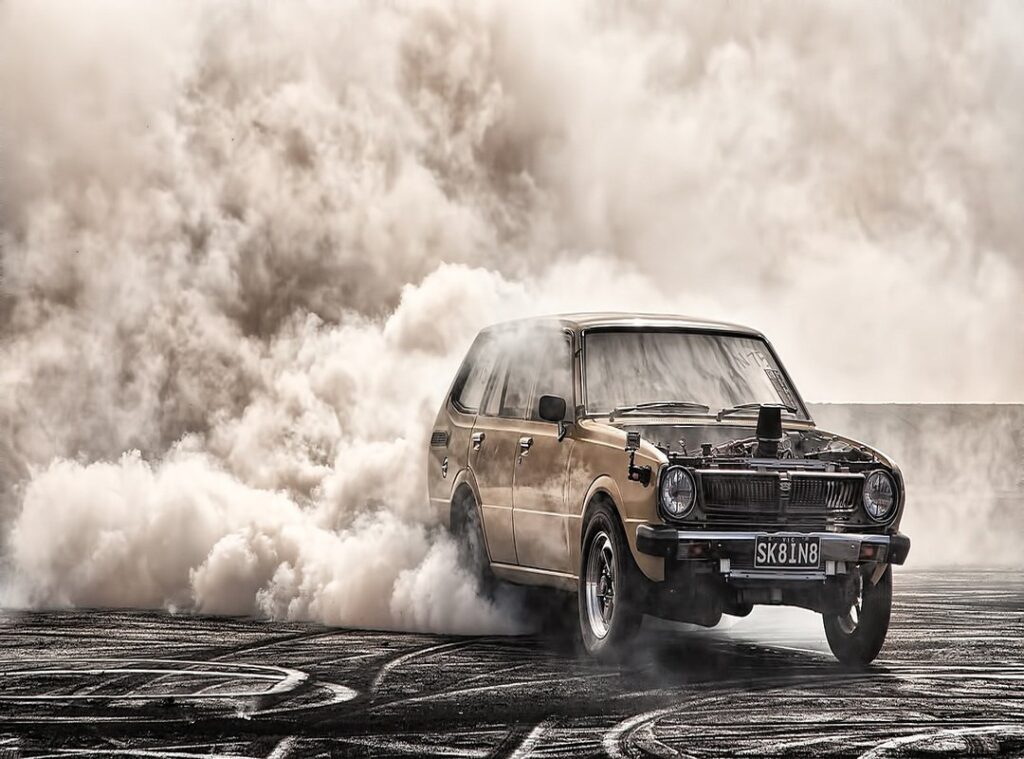
You know those generic car wallpapers? Boring, right? Now, imagine a luxifer burnout car wallpaper—raw, intense, and full of drama.
It’s like the difference between a whisper and a roar.
The Luxifer aesthetic is all about combining raw automotive power with dark, moody, and highly stylized visuals. Think smoke, speed, and a touch of rebellion.
This article is here to guide you through this unique art style. We’ll show you how to find the most epic Luxifer burnout car wallpapers for your screens.
We’ll showcase stunning examples and give you actionable tips to find high-quality images that transform your phone or desktop background.
If you’re an enthusiast who wants a wallpaper that screams power, rebellion, and high-octane energy, you’re in the right place.
Decoding the ‘Luxifer’ Aesthetic: More Than Just Dark Colors
The Luxifer style in car photography is all about high-impact visuals. It’s not just a trend; it’s a statement.
High-contrast lighting is key. Deep shadows are pierced by sharp, dramatic light sources like single streetlights, neon signs, or glowing headlights. This creates a stark, almost theatrical effect.
The typical color palette is often desaturated with a single, vibrant accent color. Think red taillights or blue neon glow against a dark or black background. It’s a visual punch that draws your eye right in.
This style creates a mood of mystery, power, and controlled chaos. The scenes are usually set in gritty urban environments—back alleys, empty warehouses, or rain-slicked streets.
The cars featured in Luxifer photography are typically aggressive-looking sports cars, modified muscle cars, or JDM icons. They embody a rebellious, edgy aesthetic.
Imagine a luxifer burnout car wallpaper. You see a sleek, powerful car in a dimly lit alley, its red taillights blazing against the dark. The scene feels both intense and cool, like something out of a high-octane movie.
Compared to more traditional, well-lit car photography, Luxifer stands out. Traditional shots might highlight the car’s curves and details in broad daylight. Luxifer, on the other hand, uses darkness and selective lighting to create a more dramatic, almost cinematic feel.
In short, Luxifer isn’t just about dark colors. It’s about creating a vibe that’s both mysterious and powerful.
The Art of the Burnout: Why Tire Smoke Makes a Perfect Wallpaper
When you look at a burnout from a photographic perspective, it’s all about the texture and volume of the tire smoke. The way it wraps around the car, interacting with light, creates a sense of dynamic movement even in a still image.
The contrast is striking. On one side, you have the static, powerful form of the car. On the other, the wild, billowing chaos of the smoke.
It’s like a dance between order and anarchy.
A burnout shot tells a story. It captures a peak moment of action, where immense power is being unleashed. You can almost hear the roar of the engine and feel the heat of the tires.
The smoke isn’t just a backdrop; it frames the car. It draws the viewer’s eye to specific details like the wheels, headlights, or body lines. This framing makes the car stand out, adding depth and focus. luxifer burnout car
Now, let’s talk about the Luxifer aesthetic. The dark, moody, and dramatic atmosphere is enhanced by the smoke. It adds a layer of mystery and intensity, making the luxifer burnout car wallpaper a perfect fit for this style.
In a side-by-side comparison, a plain car photo might look static and lifeless. But a burnout shot? It’s alive, dynamic, and full of energy.
That’s why it makes such a compelling wallpaper.
Iconic Scenes: The Best Luxifer Burnout Wallpaper Concepts
Start with an anecdote about the first time I saw a car do a burnout. It was a summer night, and the sound of tires screeching against the pavement filled the air. That moment stuck with me, and it’s why I love these wallpaper concepts.
Concept 1: The Neon-Soaked Alley
A JDM car like a Supra or RX-7 doing a burnout, with the smoke illuminated by vibrant pink and blue neon signs from a nearby building. This scene is all about the contrast between the dark alley and the bright, colorful lights. The neon adds a futuristic, almost otherworldly feel, making it perfect for a luxifer burnout car wallpaper.
Concept 2: The Gritty Warehouse
A classic American muscle car (e.g., a black Dodge Challenger) shrouded in smoke, with light streaming in from a single high window, creating dramatic shadows. The gritty, industrial setting gives this concept a raw, powerful vibe. The single light source highlights the car’s silhouette, adding depth and intensity to the image.
Concept 3: The Midnight Highway
A European supercar like a Lamborghini, captured from a low angle as it performs a burnout, with only its sharp taillights cutting through the thick smoke and darkness. The low angle makes the car look even more imposing and dynamic. The taillights add a touch of color and focus, drawing the eye to the heart of the action.
Concept 4: The Rainslicked Street
A modified German sedan (like a BMW M3) with water spraying up along with the smoke, reflecting the city lights for a complex, textured look. The rain adds a layer of complexity and movement, making the scene feel alive. The reflections create a mesmerizing, almost dreamlike quality, perfect for a unique and captivating wallpaper.
Each of these concepts works well because they combine striking visuals with a strong, evocative mood. Whether it’s the neon-lit alley, the gritty warehouse, the midnight highway, or the rainslicked street, each one tells a story and captures the energy and excitement of a luxifer burnout car wallpaper.
How to Find High-Resolution Wallpapers for Your Devices
Finding the perfect wallpaper can be like searching for a needle in a haystack. But don’t worry, I’ve got some tips to make it easier.
First, use specific search terms on platforms like Pinterest, ArtStation, or specialized wallpaper sites. Try phrases like “dark automotive photography,” “cinematic car burnout,” or “moody car wallpaper.”
Pro tip: Look for digital artists and automotive photographers on Instagram who specialize in this aesthetic. They often share high-quality, unique images.
Image resolution is key. Always check that the wallpaper is at least 1920×1080 for desktops. For smartphones, aim for a tall aspect ratio to fit those modern screens.
If you find a wallpaper you like but it’s not high-res, try using a reverse image search. It might lead you to a better version.
Avoid low-quality, pixelated images. They’ll just ruin the look on your high-resolution screen. Trust me, you don’t want your luxifer burnout car wallpaper to look like a blurry mess.
Transform Your Screen with Automotive Power
luxifer burnout car wallpaper captures the essence of dark aesthetics, raw power, and dynamic action. These elements combine to create a visually striking and emotionally engaging experience. A great wallpaper is more than just a background; it’s a statement that reflects personal style and passion.
Use the concepts and search tips provided to find an image that truly resonates with you. Stop settling for boring backgrounds and let your screen roar with the untamed energy of a burnout.
 There is a specific skill involved in explaining something clearly — one that is completely separate from actually knowing the subject. Jameseth Acevedo has both. They has spent years working with software development insights in a hands-on capacity, and an equal amount of time figuring out how to translate that experience into writing that people with different backgrounds can actually absorb and use.
Jameseth tends to approach complex subjects — Software Development Insights, Expert Analysis, Computer Hardware Reviews being good examples — by starting with what the reader already knows, then building outward from there rather than dropping them in the deep end. It sounds like a small thing. In practice it makes a significant difference in whether someone finishes the article or abandons it halfway through. They is also good at knowing when to stop — a surprisingly underrated skill. Some writers bury useful information under so many caveats and qualifications that the point disappears. Jameseth knows where the point is and gets there without too many detours.
The practical effect of all this is that people who read Jameseth's work tend to come away actually capable of doing something with it. Not just vaguely informed — actually capable. For a writer working in software development insights, that is probably the best possible outcome, and it's the standard Jameseth holds they's own work to.
There is a specific skill involved in explaining something clearly — one that is completely separate from actually knowing the subject. Jameseth Acevedo has both. They has spent years working with software development insights in a hands-on capacity, and an equal amount of time figuring out how to translate that experience into writing that people with different backgrounds can actually absorb and use.
Jameseth tends to approach complex subjects — Software Development Insights, Expert Analysis, Computer Hardware Reviews being good examples — by starting with what the reader already knows, then building outward from there rather than dropping them in the deep end. It sounds like a small thing. In practice it makes a significant difference in whether someone finishes the article or abandons it halfway through. They is also good at knowing when to stop — a surprisingly underrated skill. Some writers bury useful information under so many caveats and qualifications that the point disappears. Jameseth knows where the point is and gets there without too many detours.
The practical effect of all this is that people who read Jameseth's work tend to come away actually capable of doing something with it. Not just vaguely informed — actually capable. For a writer working in software development insights, that is probably the best possible outcome, and it's the standard Jameseth holds they's own work to.