
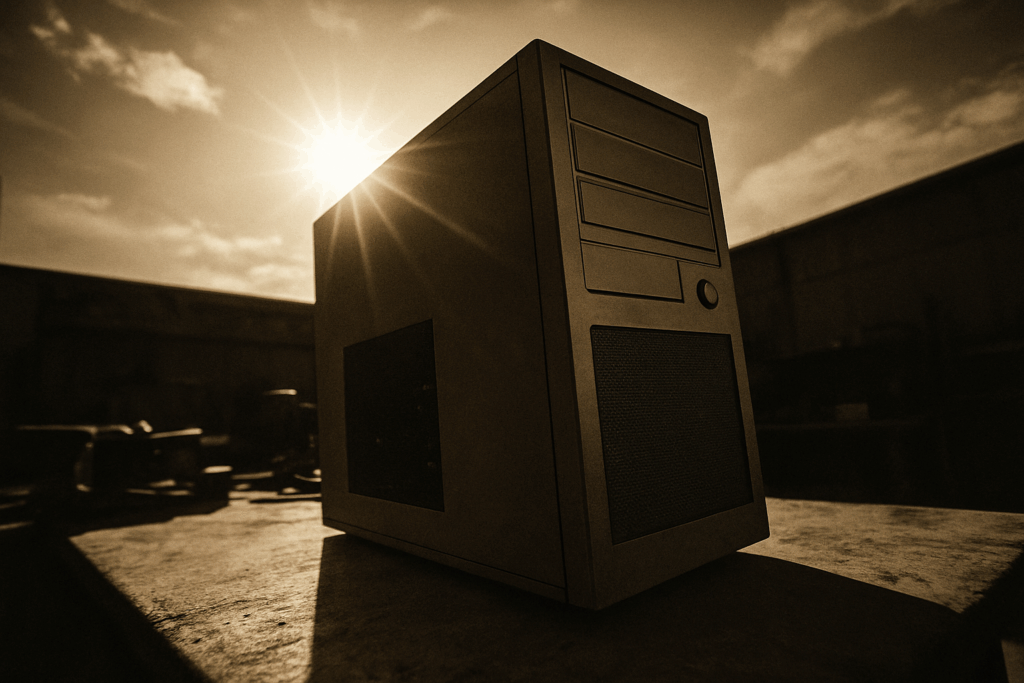
What Actually Matters in a PC Case Right Now
Let’s get straight to it: airflow still runs the show. GPUs and CPUs are more powerful than ever, but also heat heavy. If your case chokes that hot air in, you’re setting your components up for thermal throttling or worse. No matter how great your GPU is, it won’t mean much if it’s constantly sweating because your case can’t breathe. Mesh front panels, clear airflow paths, and smart fan placements aren’t just nice to haves they’re essential.
Beyond airflow, layout matters. A solid case gives you modular drive cages, clean cable routing options, and enough clearance for beefy coolers or vertical GPU mounts. Thermal zones where heat generating parts are isolated with their own airflow paths make a real difference. A case that’s easy to build in and manage means more time tweaking and less time wrestling with cables or wondering why your CPU fans sound like jet engines.
As for the look? Flash is out, restraint is in. Builders are going for subtle glass side panels that show off internals without screaming for attention. RGB still has a place but not everywhere, all at once. Think diffused strips and lighting you can actually control. Sharp lines, minimalist logos, and mono tone builds are stealing the spotlight. A case should look like it means business, not like it’s trying to DJ your living room.
In 2026, the best PC case isn’t just about looking cool. It’s about staying cool while helping you build smart and look sharp doing it.
Best High Performance Airflow Cases of 2026
In 2026, performance and design no longer sit at opposite ends of the spectrum. The best PC cases this year prove that you don’t need to sacrifice airflow to get a clean, modern aesthetic. Whether you’re building a next gen gaming rig or a high efficiency workstation, these cases rise to the occasion.
Top Picks for Airflow and Design Balance
When airflow matters just as much as presentation, these models stand out:
Fractal Design Torrent Neo
Wide mesh front intake, high CFM design, and striking symmetry make it a favorite.
Lian Li Lancool 216
Great default thermal performance and out of the box ARGB fans aligned with intuitive airflow.
Phanteks Eclipse G500A Performance Edition
Combines high airflow mesh with subtle RGB, front and top fan mounts, and tool less panels.
Corsair 6500X
Dual chamber layout enhances thermal separation while maintaining uncanny elegance.
Glass vs. Mesh: The 2026 Debate
Tempered glass and mesh fronts define the airflow conversation this year. Here’s how they stack up:
Tempered Glass Panels
Pros:
Premium look for full showcase builds
Complements ARGB lighting and organized internals
Cons:
Often restricts front airflow unless paired with side ventilation
Can lead to higher internal temps under sustained loads
Mesh Front Panels
Pros:
Superior intake for cool air
Boosts performance for GPU heavy and overclocked builds
Cons:
Requires thoughtful dust filtration
Not everyone loves the utilitarian aesthetic
Quick Tip: Hybrid designs with mesh panels and tempered glass accents offer an ideal middle ground, giving you airflow and style.
Real World Thermal Benchmarks
Performance isn’t theoretical. Here’s how this year’s top airflow cases stack up in tests:
| Case Model | CPU Temp Load (°C) | GPU Temp Load (°C) | Noise Level (dBA) |
| | | | |
| Fractal Torrent Neo | 66 | 72 | 33 |
| Lian Li Lancool 216 | 67 | 73 | 34 |
| Phanteks Eclipse G500A Perf. | 65 | 71 | 32 |
| Corsair 6500X | 68 | 75 | 35 |
All results reflect testing under workload simulation with a Ryzen 9 7950X and RTX 4090 GPU. Thermal accuracy within ±2°C.
These cases aren’t just about keeping temps in check they’re designed to sustain peak performance while looking great under your desk or on display.
Pro Insight: When choosing an airflow case, look beyond just fan count. Airflow direction, obstruction free intake paths, and thermal zoning matter just as much.
Sleekest Aesthetic Cases Without Compromising Cooling

Function used to win over form, but in 2026, the best PC cases strike a balance. Builders want a rig that looks sharp on a desk and doesn’t choke under heat. The top cases this year pull it off with stealthy airflow channels, improved ventilation patterns, and high end materials that don’t just shine they breathe.
Subtle RGB is in. No more light shows that scream for attention. Instead, we’re seeing diffused lighting strips synced via advanced software to match system temps, in game events, or even ambient room light. Panels are staying clean matte blacks, satin whites, and aluminum finishes wrap minimalist exterior frames, often offset with well placed glass for just enough show through.
The DIY mod scene keeps pushing the bar higher. Custom shrouds, vertical GPU mounts, and hand routed cables aren’t just eye candy they actually improve thermals and maintenance. Brands are paying attention, borrowing design cues, and even pre installing popular mod features as standard. It’s no longer a choice between airflow or aesthetics you can and should expect both.
Top Picks for Specific Needs (Mini ITX, ATX, Budget Builds)
Not everyone is building a full tower beast. Whether you’re tight on space, thermals, or cash, there are standout case options in 2026 that don’t skimp where it counts.
First up: space saving Mini ITX cases that run cooler than they look. Brands like FormD and Cooler Master have refined internal layouts to the millimeter, squeezing out solid airflow thanks to smart vent placement and GPU riser integration. Don’t be fooled by the size a properly balanced ITX build with dual intake and exhaust fans can rival mid size towers in thermal stability.
For those wanting something roomier without taking over the desk, mid tower ATX cases are the new sweet spot. Look at models like the Fractal Design Pop Air or Lian Li’s LANCOOL 216. These punch above their class with wide fan support, GPU clearance, and airflow focused front panels that don’t turn your gaming station into a jet engine.
On a budget? Good news: the days of plastic messes with terrible thermals are fading. Sub $100 cases now come with proper mesh intakes, pre installed fans, and even tempered glass in some builds. Montech, NZXT, and Corsair are offering entry level options that look clean and don’t overheat when you drop in a powerful GPU.
Whether you’re after small and silent, big and breezy, or cheap but reliable, 2026’s case market has something that’ll hit the mark without causing regret after the first stress test.
Pairing Your Case With the Right Hardware
A high end case won’t save a bad build. You can buy the best airflow chassis on the market, but if you throw in components that don’t mesh, you’re just creating a hotbox with RGB.
Start with realism: your case must match your cooling method. Air cooled builds rely heavily on front to back airflow paths, and if your case can’t move air cleanly, you’ve already lost the thermal fight. All in one (AIO) liquid coolers give you more flexibility, but they still depend on proper exhaust placement and internal clearance. A slick case with poor radiator support isn’t helping you.
Your GPU and CPU are the biggest heat generators in your setup. A high wattage card in a case with a single intake fan or no rear exhaust? That’s a recipe for performance throttling. Don’t bottleneck your hardware make sure your airflow plan fits the thermal footprint of your parts. Bigger fans, smarter fan curves, and direct airflow channels go a long way toward system stability.
Bottom line: build your case and your component choices like they’re one system not afterthoughts slapped together. For builds anchored in serious gaming or streaming, here’s a good place to start: Best Graphics Cards for Gaming and Streaming in 2026.
Final Considerations Before You Buy
Once your rig is built, don’t assume everything’s running cool just because the fans are spinning. Start by stress testing under load games, rendering, multitasking, whatever pushes your setup. Use monitoring tools like HWMonitor or HWiNFO to check CPU and GPU temps. Anything sitting over 85°C under load? Time to adjust airflow, re seat coolers, or rethink your fan curve.
Speaking of noise your system doesn’t need to sound like a leaf blower to stay cool. Use PWM fans where you can, prioritize larger diameters (140mm over 120mm), and consider undervolting components if your temps allow. Rubber grommets and padded mounts aren’t flashy, but they keep vibrations under control.
Looking ahead at the 2026 case market, it’s all about flexibility. Brands with strong accessory ecosystems and quality customer support will stand out the last thing you want is a missing bracket with no one to call. Look for modular interiors, GPU supports, easy access side panels, and future friendly features like USB C top I/O and vertical GPU mounts. Cases are adapting fast; make sure yours isn’t outdated two years from now.
It’s not just about the build. It’s about how it lives, breathes and stays quiet on your desk.